How to prepare for the «Bilirubin» test: rules for taking it
Bilirubin is a yellow pigment that forms during the breakdown of the hemoglobin of old red blood cells. Its level in the blood depends on the rate of destruction of red blood cells, the liver's ability to bind the pigment and the free outflow of bile. Therefore a bilirubin test helps to detect both hemolysis and liver disease and disorders of bile secretion. However, its preparation has a feature that most other biochemical tests lack: overly prolonged fasting in itself raises the result. Our editorial team explains how to take the test correctly.
The path of bilirubin in the body and the test's fractions
Every day part of the red blood cells that have served their term are destroyed in the body. The heme of hemoglobin is converted first into biliverdin and then into bilirubin. This «primary» bilirubin is insoluble in water, so it is carried in the blood by albumin. On the laboratory form it is designated as indirect, or unconjugated.
In the liver the enzyme UGT1A1 attaches glucuronic acid to bilirubin. This forms direct (conjugated) bilirubin, soluble in water, which is excreted with bile into the intestine. There bacteria convert it into urobilinogen and stercobilin, which give stool its color.
The laboratory usually determines total and direct bilirubin and calculates the indirect as the difference. This division is fundamentally important: a rise in the indirect fraction points to excessive destruction of red blood cells or reduced activity of UGT1A1, while a rise in the direct one points to liver injury or a disorder of bile outflow.
Guidelines on assessing liver panels (Kwo et al., 2017; Newsome et al., 2018) advise, when bilirubin is elevated, always to determine which fraction predominates and to assess it together with other indicators, not in isolation.
Fasting: no less and no more than needed
The standard requirement is to give blood on an empty stomach, after an 8–12 hour overnight break from food. A fatty breakfast makes the serum cloudy, and lipemia can interfere with the photometric measurement of bilirubin. Plain water in the morning is allowed.
But excessive fasting — 24 hours, and especially several days — raises indirect bilirubin. This effect is most pronounced in people with Gilbert's syndrome, in whom fasting was even used as a diagnostic test. Therefore one should not skip dinner «for reliability» or sit on a strict diet for a week before the test.
A sharp restriction of calories during a «cut» acts in a similar way. Athletes who lose weight before competitions not infrequently first learn about elevated bilirubin precisely during this period. If the test is taken against the background of a calorie deficit, the doctor should be told about it.
Dehydration and alcohol the day before are also undesirable: they worsen the overall metabolic state and can affect other indicators of the liver profile, which is usually taken together with bilirubin.
Gilbert's syndrome — the most common «finding»
Gilbert's syndrome is a common hereditary feature in which the activity of the UGT1A1 enzyme is reduced because of a variant of the gene promoter. The genetic basis of this condition was described by Bosma and colleagues in the New England Journal of Medicine in 1995. By various estimates, the syndrome occurs in a few percent of the population.
In people with Gilbert's syndrome, indirect bilirubin periodically rises, especially after fasting, sleep deprivation, physical overexertion, stress or infection. Sometimes this is noticeable as a slight yellowness of the sclera. At the same time the liver enzymes, direct bilirubin and blood indicators remain normal.
Gilbert's syndrome is considered a benign condition that does not require treatment. However, the diagnosis is made by a doctor after ruling out hemolysis and liver disease. One should not explain any rise in bilirubin as «Gilbert's» on one's own.
- predominantly elevated indirect bilirubin;
- normal ALT, AST, GGT, alkaline phosphatase;
- normal hemoglobin, reticulocytes and other signs of the absence of hemolysis;
- fluctuations in the level depending on nutrition, sleep and exertion.
For people with confirmed Gilbert's syndrome it is especially important to take follow-up tests under the same conditions: after a normal dinner, normal sleep and without an exhausting workout the day before. Otherwise fluctuations in the indicator can easily be mistaken for a worsening.
Light, hemolysis, medications and exertion
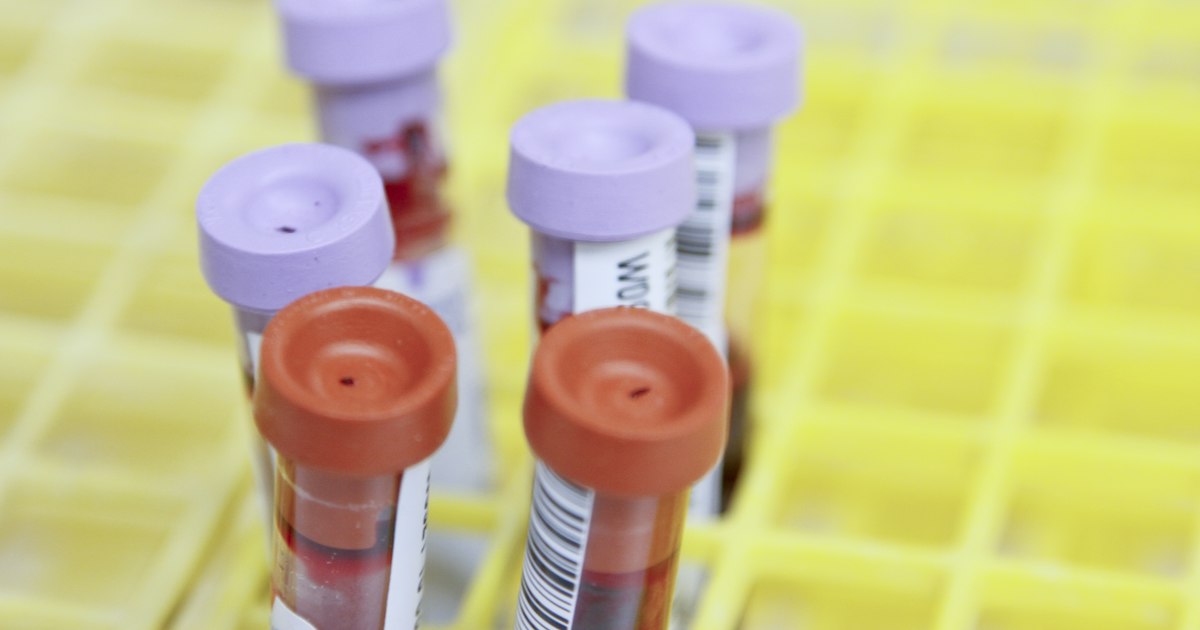
Bilirubin is destroyed under the action of light. If a tube stands for a long time in bright light before analysis, the result may turn out underestimated. Laboratories protect such samples from light and try to analyze them quickly — this requirement is set out in clinical biochemistry textbooks.
Hemolysis of the sample, that is, the destruction of red blood cells in the tube due to improper collection or transport, interferes with measurement. And hemolysis in the body — for example, in some anemias — actually raises indirect bilirubin. A complete blood count and hemolysis markers help distinguish these situations.
| Factor | Fraction that changes | Direction |
|---|---|---|
| Prolonged fasting, «cutting» | Indirect | Increase |
| Prolonged light on the sample | Total and direct | False decrease |
| Hemolysis in the body | Indirect | Increase |
| Some drugs (rifampicin, atazanavir) | Predominantly indirect | Increase |
| Cholestasis, including drug-induced | Direct | Increase |
Among drugs that raise bilirubin, the well-known ones are rifampicin and the HIV protease inhibitors atazanavir and indinavir, which inhibit UGT1A1. Oral 17-alpha-alkylated anabolic steroids can cause cholestasis, in which direct bilirubin rises and skin itching appears. Any jaundice against the background of such substances should be regarded as a reason to seek medical help urgently.
Very prolonged and exhausting exertion, for example ultramarathons, can temporarily raise bilirubin because of the destruction of red blood cells and an energy deficit. That is why the day before the test it is better to limit yourself to light activity.
How to assess the result
The reference intervals for total and direct bilirubin depend on the method and the laboratory. A small rise in total bilirubin due to the indirect fraction with normal other indicators in a young person is most often associated with Gilbert's syndrome or the conditions of the draw.
A rise in direct bilirubin, on the contrary, almost always requires attention: it indicates a disorder of bile excretion or injury to liver cells. In that case the doctor assesses ALT, AST, GGT, alkaline phosphatase and orders an ultrasound examination.
The appearance of dark urine, light-colored stool, skin itching or jaundice together with elevated bilirubin are symptoms with which one should not wait for a scheduled visit. This is grounds for prompt medical attention.
For monitoring over time, compare the results of one laboratory and try to reproduce the same conditions: the same time, the same duration of the overnight break from food, the absence of intense workouts the day before.
Editorial conclusions
Bilirubin is an indicator for which «more fasting» does not mean «a more accurate test». The optimum is 8–12 hours without food after a normal dinner, without alcohol and without exhausting workouts the day before.
Indirect bilirubin most often rises because of Gilbert's syndrome, a calorie deficit or hemolysis; direct — because of problems with the liver and biliary tract. Only a doctor can distinguish these situations from the totality of tests.
Tell the doctor about your diet, medications, supplements and hormonal drugs, especially oral steroids — the correctness of the conclusions depends on this.
We also recommend reading our materials on preparing for the ALT and AST, GGT and hemoglobin tests, as well as on the effect of diets on athletes' laboratory indicators.
References
- Kwo PY, Cohen SM, Lim JK. ACG clinical guideline: evaluation of abnormal liver chemistries. Am J Gastroenterol. 2017;112(1):18–35.
- Newsome PN, Cramb R, Davison SM, et al. Guidelines on the management of abnormal liver blood tests. Gut. 2018;67(1):6–19.
- Bosma PJ, Chowdhury JR, Bakker C, et al. The genetic basis of the reduced expression of bilirubin UDP-glucuronosyltransferase 1 in Gilbert's syndrome. N Engl J Med. 1995;333(18):1171–1175.
- Giannini EG, Testa R, Savarino V. Liver enzyme alteration: a guide for clinicians. CMAJ. 2005;172(3):367–379.
- Pope HG Jr, Wood RI, Rogol A, et al. Adverse health consequences of performance-enhancing drugs: an Endocrine Society scientific statement. Endocr Rev. 2014;35(3):341–375.
- Rifai N, Horvath AR, Wittwer CT (eds). Tietz Textbook of Clinical Chemistry and Molecular Diagnostics. 6th ed. St. Louis: Elsevier; 2018.
Andriy Melnyk
A strength-sports coach and author of programs for beginner and intermediate levels. Writes about training planning.